
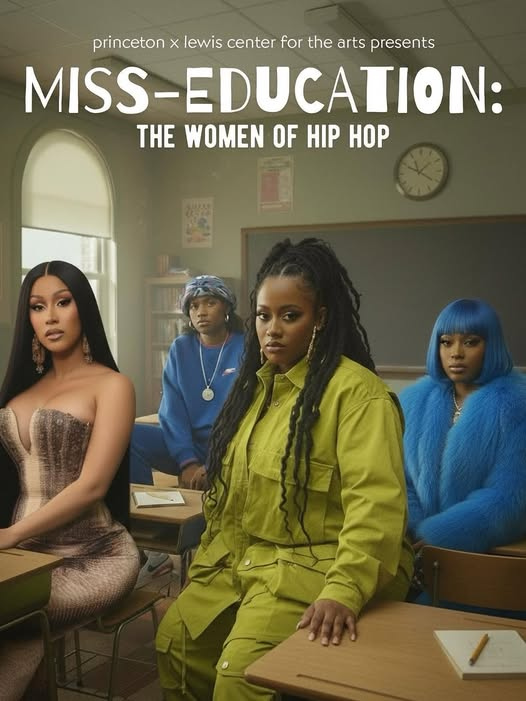
Hip hop has been dominating playlists and social feeds for decades, but now the Ivy League is finally catching up. Princeton University announced a brand new Spring 2026 course titled Miss-Education: The Women of Hip Hop, and it is everything culture lovers and class skippers secretly wish their finals could look like. This isn’t a quick survey. It’s an academic celebration of the women who built and shaped hip-hop into the global force it is today.
The course is structured as a mix of seminar, research lab, and performance workshop, giving students a balance of theory and creative action. That means you study the history of women in hip hop and also embody that history through performance, archiving, and podcasting projects. It’s like combining your favorite playlist with your college credits and a mic drop all in one.
Princeton’s lineup of instructors matches the ambition of the class. It’s taught by hip hop educator Chesney Snow, cultural scholar Dr. Francesca D’Amico-Cuthbert, and recording artist Eternia, whose own work tackles questions of gender and equity in the music. Their combined expertise makes this course both academically serious and culturally rooted in real hip hop practice.
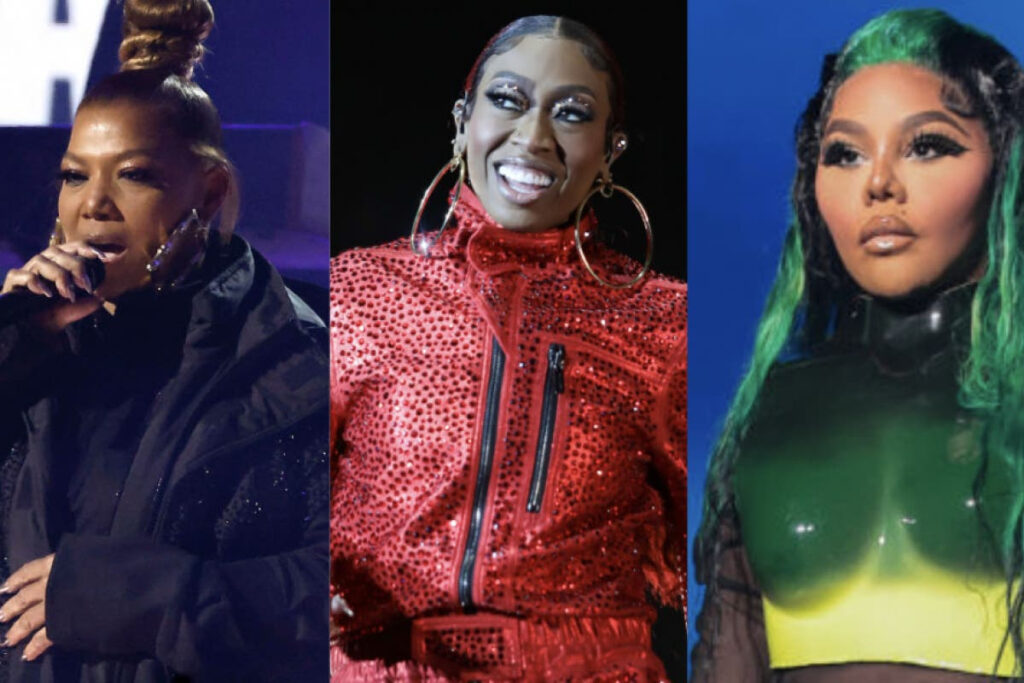
The syllabus reads like a playlist of legends. Students will explore the careers and impacts of pioneers like MC Sha Rock and Roxanne Shanté, icons like Queen Latifah and Lauryn Hill, and modern game changers like Lil Kim and Cardi B. This is hip hop history told through women who refused to be footnotes.
One of the coolest parts is that the class is open to all students with no prerequisites, meaning engineers, poets, and even that roommate who only listens to drill can enroll. The semester culminates in a creative showcase at the Lewis Center for the Arts, giving students a chance to translate scholarship into live expression.
Princeton’s move reflects a broader moment in culture where academic spaces are finally validating the intellectual weight of hip hop, and especially the women who pushed its boundaries. This course is not just a class. It’s a statement that hip-hop belongs everywhere, especially where knowledge and culture intersect.